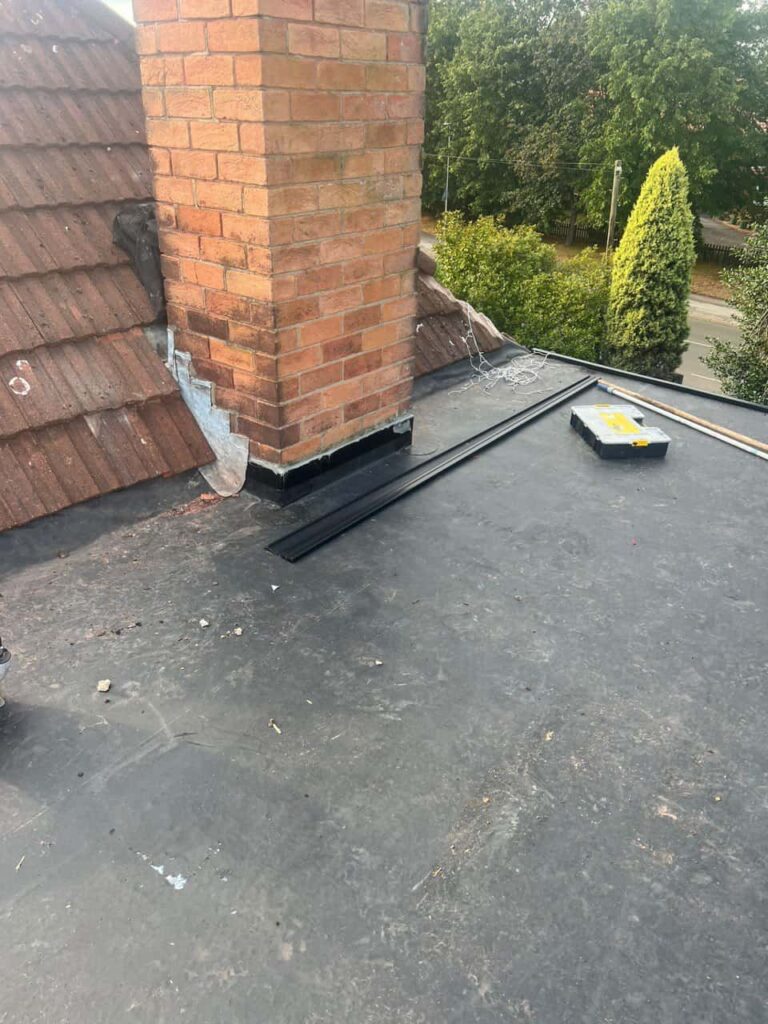
A chimney stack is constantly exposed to wind, rain, frost and changing temperatures. Over time, these conditions can affect the brickwork, mortar joints and protective materials, sometimes resulting in visible cracks. Although a small crack may initially appear harmless, it can allow moisture to enter the structure and lead to more serious deterioration if left untreated.
For homeowners in Chinnor, Oxfordshire, recognising the causes of chimney stack cracks is important for protecting the roof and maintaining the condition of the property. Understanding the available repair options can also help ensure that any damage is addressed appropriately.
What Causes Cracks in Chimney Stacks?
Chimney stacks are particularly exposed because they extend above the main roofline. Their elevated position means they receive direct exposure to weather conditions, while the materials must withstand repeated changes in temperature and moisture.
Several factors can contribute to cracking.
Weather Exposure and Frost Damage
Rainwater can penetrate small openings in brickwork and mortar. During colder conditions, trapped moisture may freeze and expand, placing pressure on the surrounding materials.
Repeated freezing and thawing can gradually cause mortar to crumble, brick faces to break down and existing cracks to become wider. Chimneys with deteriorating mortar joints are particularly vulnerable because water can enter more easily.
Deteriorating Mortar Joints
Mortar holds the bricks together and helps maintain the chimney’s structural stability. As it ages, it can become weak, loose or eroded through prolonged exposure to the elements.
When mortar joints deteriorate, gaps may develop between bricks. These gaps can allow moisture into the chimney and contribute to movement or further cracking if repairs are delayed.
Structural Movement
Movement within the building or roof structure can place stress on the chimney stack. Changes in the supporting structure, settlement or movement around the roof junction may contribute to cracks appearing in the brickwork.
Vertical, stepped or widening cracks should be assessed carefully, particularly if they appear alongside signs of leaning or separation from adjoining structures.
Damaged Chimney Flashing
Flashing forms a weatherproof connection between the chimney and the roof covering. If it becomes loose, cracked or poorly sealed, rainwater can enter around the base of the chimney.
Although damaged flashing does not necessarily cause cracks in the chimney stack itself, prolonged water ingress can contribute to deterioration of nearby brickwork and mortar.
Signs That a Chimney Stack Needs Attention
Not all chimney damage is immediately obvious from ground level. However, certain warning signs may indicate that professional inspection is needed.
Look out for:
- Visible cracks in the bricks or mortar joints.
- Mortar that appears loose, missing or powdery.
- Bricks that are chipped, spalling or breaking apart.
- Damp patches on ceilings or walls near the chimney breast.
- Water staining around the chimney or roof junction.
- Flashing that appears lifted, damaged or detached.
- A chimney stack that looks uneven or appears to be leaning.
If cracks are widening or the chimney appears unstable, the area should be assessed promptly by a suitably qualified professional. Avoid attempting to inspect or repair an exposed chimney from the roof without appropriate access and safety equipment.
Available Chimney Stack Repair Options
The appropriate repair depends on the cause, location and severity of the damage. A professional roofer should inspect the chimney before recommending work, as simply filling visible cracks may not resolve the underlying problem.
Repointing Damaged Mortar
When mortar joints have deteriorated but the surrounding brickwork remains sound, repointing may be suitable. This involves removing defective mortar to an appropriate depth and replacing it with suitable new mortar.
Proper repointing restores the joints between the bricks and helps reduce water penetration. The replacement mortar should be compatible with the existing brickwork to avoid causing further damage.
Replacing Damaged Bricks
If individual bricks have become cracked, badly weathered or broken, they may need to be replaced. Removing damaged units and fitting suitable replacements helps restore the condition of the chimney’s outer structure.
This work should be carried out carefully to maintain the stability and appearance of the stack.
Repairing or Replacing Chimney Flashing
If water is entering around the chimney base, the flashing may need to be repaired, refitted or replaced. Lead flashing is commonly used to create a durable weatherproof junction between the chimney and roof.
Correct installation is essential because poorly fitted flashing can allow leaks to continue even when the brickwork itself has been repaired.
Rebuilding Sections of the Chimney
Where cracking and deterioration are extensive, repairing individual areas may not be sufficient. In more serious cases, part of the chimney stack may need to be dismantled and rebuilt to restore its stability.
This decision should only be made following a thorough assessment of the structure and the extent of the damage.
Why Chimney Repairs Should Not Be Delayed
Cracks can provide an entry point for rainwater, allowing moisture to affect the brickwork, mortar and surrounding roof structure. As deterioration continues, small defects may develop into more extensive problems.
Loose masonry can also present a safety concern, particularly where bricks or sections of mortar become unstable above the roofline.
Arranging an inspection when damage first becomes noticeable helps identify the cause and establish the most appropriate repair method. It also reduces the risk of repeatedly treating visible symptoms without resolving the underlying issue.
Professional Chimney Repairs in Chinnor, Oxfordshire
Chimney repairs require careful attention to both the masonry and the roofing details around the stack. Identifying whether the problem involves mortar deterioration, damaged bricks, structural movement or defective flashing is essential for achieving a reliable result.
LS Roofing Chinnor provides roofing repair services in Chinnor, Oxfordshire, helping homeowners address chimney damage and maintain the condition of their roofs. Whether you have noticed cracks in the brickwork or signs of water ingress around the chimney, professional advice can help determine the next steps.
Conclusion
Chimney stack cracks can develop due to weather exposure, deteriorating mortar, structural movement and problems with roof flashing. While some defects may only require repointing or localised brick repairs, more extensive damage may call for rebuilding sections of the stack.
Recognising the warning signs and arranging professional attention can help prevent further deterioration and protect your property. If your chimney stack has developed cracks in Chinnor, contact LS Roofing Chinnor to discuss your roofing concerns and arrange an assessment.
Call us on: 01844 396 693
Click here to find out more about LS Roofing Chinnor
Click here to complete our contact form and see how we can help with your roofing needs.